



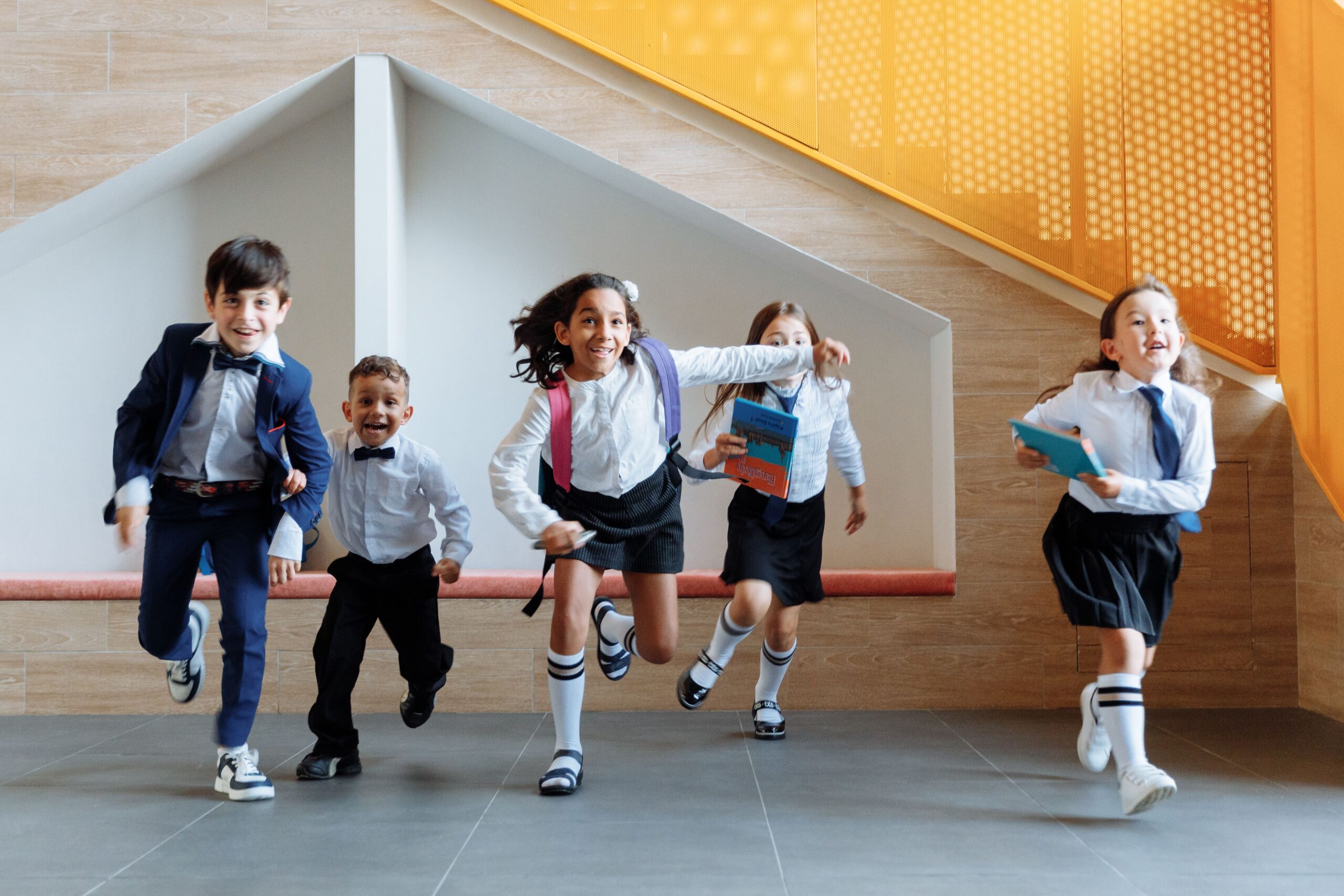

More parents are looking beyond test scores when they think about the abilities their children will need as they grow. The term “non-cognitive skills” is often used to describe a broad range of qualities that conventional academic tests do not fully capture.
In recent years, researchers in education, economics, and psychology have examined how these skills relate to academic achievement, employment, social relationships, and well-being. For parents, however, the practical questions are often more immediate. What exactly are non-cognitive skills? How can they be developed at home? And what role can an international school environment play? This article explains what non-cognitive skills are, why they have attracted growing attention, and how they can be understood in practical terms. It also considers ways to support their development at home and how they relate to learning in an international school.
Non-cognitive skills is a broad term for qualities related to behaviour, emotions, motivation, and interaction with others that cannot be fully captured by measures such as test scores or IQ. To understand the concept more clearly, it helps to distinguish these skills from cognitive abilities and to look at how different non-cognitive skills relate to one another.
Abilities involved in children’s learning and development are sometimes considered in terms of two broad categories: cognitive and non-cognitive skills.
Cognitive skills include intellectual abilities directly involved in learning and problem-solving, such as knowledge, memory, reasoning, language, and numeracy. Some aspects of these abilities can be measured through IQ tests and academic assessments. Non-cognitive skills cover a wider range of qualities that cognitive measures do not fully capture. These include perseverance, self-management, curiosity, cooperation, and emotional regulation. They can be assessed through methods such as questionnaires and behavioural observation, but they are not reducible to a single test score.
Examples include persisting towards a goal, working effectively with others, managing emotions, remaining curious, and developing a positive sense of self. These qualities develop gradually through everyday life, play, learning, conversation, and repeated experiences of trying, adjusting, and trying again.
One useful way to picture the relationship between different non-cognitive skills is to think of a house. This is not a formal research model. It is simply a way to make the connections between these skills easier to understand.
Self-esteem can be pictured as the foundation. Above it are two supporting pillars: skills related to the self, and skills needed to engage with other people. Confidence, which develops through experience over time, can be thought of as the roof.
Feeling accepted and valued can help children approach unfamiliar situations with greater security. Confidence also grows as they make decisions, take action, interact with others, and learn from experience. The image of a foundation, pillars, and a roof helps illustrate an important point: non-cognitive skills do not develop in isolation. They influence and reinforce one another.
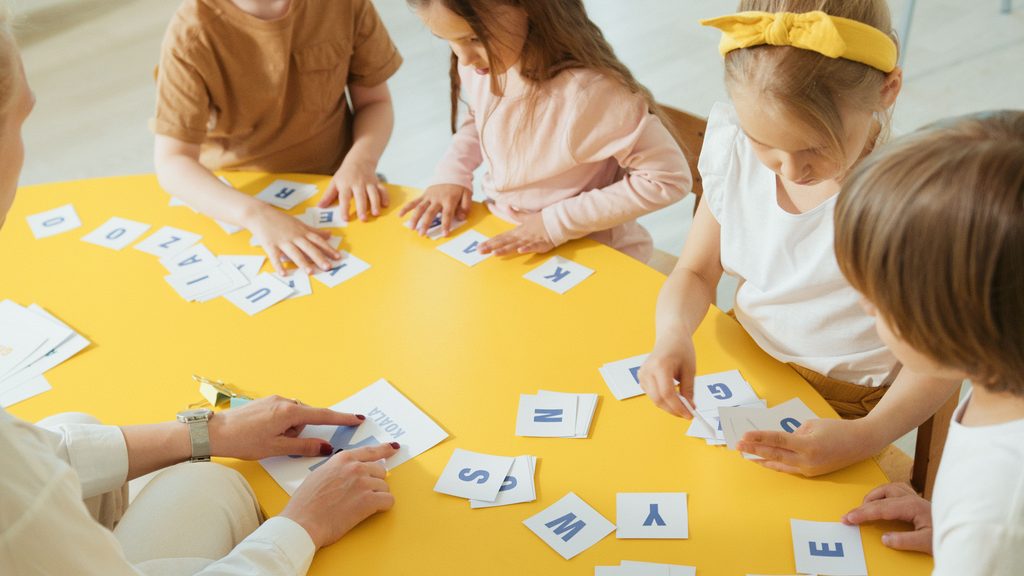
Research has explored the relationship between non-cognitive skills and a range of outcomes beyond academic performance, including employment, relationships, health, and life satisfaction. Two influential areas of work help explain why these skills have become increasingly prominent in education.
One researcher closely associated with the growing interest in non-cognitive skills is James J. Heckman of the University of Chicago, who received the Nobel Memorial Prize in Economic Sciences in 2000. His work has examined the long-term relationship between early educational experiences and later outcomes in education, employment, health, and social life. It has also drawn attention to the value of investing in early childhood development.
The Perry Preschool Project, conducted in Michigan in the United States in the 1960s, is frequently discussed in this context. The programme involved African American children from socioeconomically disadvantaged backgrounds. It combined an active, child-centred preschool programme with support for families, and participants were followed over many years.
Long-term follow-up studies found differences between participants and non-participants across several adult outcomes, including earnings, employment, education, and crime. These differences could not be explained by changes in IQ alone. This led researchers to examine qualities beyond cognitive ability, including persistence, self-regulation, and social behaviour. The findings helped bring greater attention to the non-cognitive dimensions of early childhood development.
The Organisation for Economic Co-operation and Development (OECD) published a major report on social and emotional skills in 2015. It examined skills involved in pursuing goals, working with others, and managing emotions. The report also considered how these skills relate to education, employment, health, civic engagement, and life satisfaction. The terms “non-cognitive skills” and “social and emotional skills” are not interchangeable. They do, however, overlap in important ways. Both reflect a broader understanding of development in which academic attainment is only one part of how children learn, grow, and function in the world.
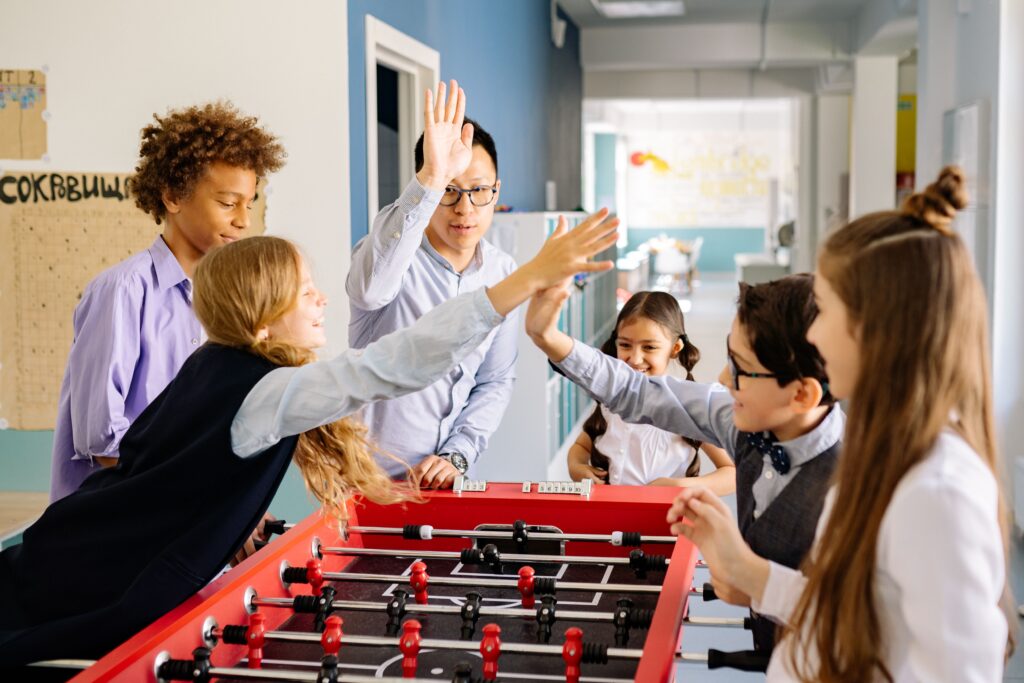
There is no single, universally accepted list of non-cognitive skills. Researchers and organisations use different classifications depending on their purpose. The following framework brings together ten skills commonly discussed in education and child development. For clarity, they are organised around a foundation, skills related to the self, skills related to others, and a capacity that develops through the interaction of these areas.。
| Area | Skill | What it involves |
| Foundation | Self-esteem | A positive sense of one’s own worth and value. It can support children as they take risks, face challenges, and engage with others. |
| Skills related to the self | Agency | The willingness and ability to think, make choices, and act with a sense of responsibility. |
| Skills related to the self | Perseverance | The capacity to continue working towards a goal when progress is difficult or setbacks occur. |
| Skills related to the self | Self-management | The ability to regulate emotions, behaviour, and impulses in ways that support a goal or respond appropriately to a situation. |
| Skills related to the self | Curiosity and inquiry | The desire to know more, explore possibilities, ask questions, and extend one’s own learning. |
| Skills related to the self | Creativity | The ability to move beyond familiar approaches and generate new ideas or possible solutions. |
| Skills related to others | Empathy | The ability to consider another person’s feelings, perspective, and experience. |
| Skills related to others | Communication | The ability to express ideas clearly, understand others, and build constructive relationships. |
| Skills related to others | Collaboration | The ability to work towards a shared goal with people who may have different perspectives, values, or backgrounds. |
| Developing through experience | Resilience | The capacity to adapt and recover when faced with setbacks, difficulties, or change. |
Non-cognitive skills are not developed only through formal programmes or specialised training. Everyday interactions at home matter too. So do the small decisions children make, the emotions they learn to name, and the experiences that allow them to try something for themselves. The following five approaches can be incorporated naturally into family life.
Children are more willing to try something unfamiliar, and to learn from mistakes, when they feel secure in the knowledge that failure will not change how they are valued. Feeling accepted and cared for at home can provide an important foundation for healthy self-esteem.
If a child has had a difficult experience at school, for example, there is no need to move immediately to a solution. Listening first can be more helpful. Responses such as “I can see why you felt that way” or “That must have been frustrating” can help children feel that their emotions have been heard and understood.
It is equally important to recognise children for more than what they achieve. When they know that mistakes are safe and that their thoughts and feelings matter, they are more likely to approach the next challenge with confidence.
Children do not always have the language to explain anger, sadness, or frustration. Rather than deciding for them what they must be feeling, parents can help them reflect. Simple questions such as “What happened?” or “How did that make you feel?” can open the conversation.
A young child who becomes angry when playtime ends, for example, may benefit from hearing, “You wanted to keep playing.” Putting the experience into words can make the emotion easier to recognise.
Learning to identify and express feelings is part of developing emotional regulation. Understanding one’s own emotions can also make it easier to recognise what another person may be feeling.
When praising children, it is useful to pay attention not only to the outcome but also to how they approached the task.
After a good test result, for example, “You started studying earlier this time” or “You looked up the parts you did not understand” is more specific than simply saying “Well done.” It draws attention to the actions and strategies that contributed to the result.
Recognising effort, planning, and problem-solving can help children look beyond the immediate outcome. It encourages them to consider what they might try next. Over time, this can support the perseverance needed when progress is slow or success is not immediate.
Agency develops when children have genuine opportunities to think and make decisions for themselves. This does not mean handing over every decision. Age-appropriate choices within clear boundaries are often enough.
Children might choose a book, decide between two weekend activities, or select what to wear within the family’s usual expectations. Making a choice and living with its outcome helps children experience what it means to think and act for themselves.
Of course, a child’s preference cannot always be accommodated. Even then, asking “Why would you like to do that?” invites the child to organise and explain their thinking. Small decisions of this kind can gradually strengthen agency and self-determination.
Children learn not only from what adults tell them, but also from what they observe. When parents take on something new, work through a difficulty, or persist with something they do not find easy, children see what learning through uncertainty can look like.
If something does not go well, saying “That did not work, so I will try it differently next time” frames the experience as information rather than failure. It shows that an unsuccessful attempt can lead to a better approach.
Parents do not need to model perfection. Seeing an adult try, reflect, and begin again can offer a powerful example of flexibility and resilience.
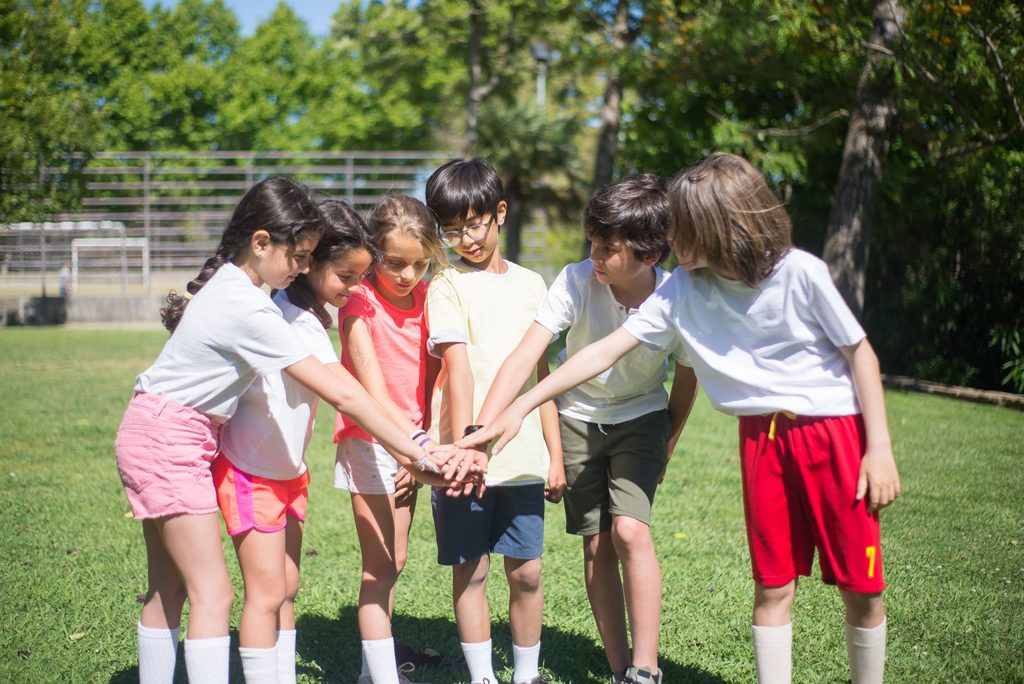
Non-cognitive skills develop gradually through learning and relationships. Environments that regularly ask students to think for themselves, make decisions, work with different perspectives, and collaborate with others naturally call on many of these skills. This is one reason the learning environment of an international school can be particularly relevant.
Inquiry-based learning goes beyond receiving information from a teacher. Students ask questions, gather information, examine ideas, exchange perspectives, and reflect on what they have learned. In the process, they draw on curiosity, agency, perseverance, creativity, and communication.
The International Baccalaureate (IB) Primary Years Programme (PYP) places inquiry at the centre of learning. Teachers do not simply provide answers. They guide questions, extend thinking, and help students take their learning further. Repeated experience of thinking, testing an idea, and reconsidering it when necessary can support both academic learning and the development of self-management and productive learning habits.
One distinctive feature of many international schools is the daily experience of learning alongside children from different national and cultural backgrounds. Students encounter differences in language, habits, assumptions, and ways of thinking. Working together requires more than expressing one’s own view. It also involves listening carefully, understanding another perspective, and finding ways to move forward despite differences.
These everyday interactions allow children to practise empathy, collaboration, communication, and social awareness in real situations. The IB learner profile reflects a similar educational perspective. Its ten attributes include Caring, Open-minded, Communicators, and Thinkers, alongside qualities that extend beyond academic achievement alone.
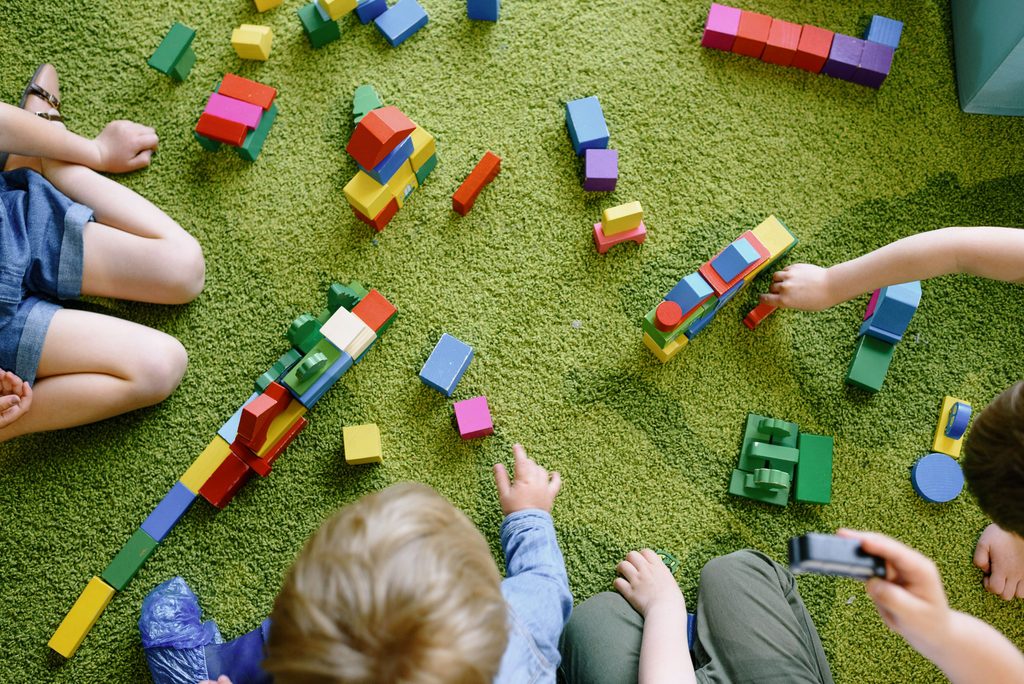
At Yoyogi International School, small classes and inquiry-based learning allow students’ ideas and individuality to play an active part in the learning process. Students are regularly expected to express a view, ask questions, test ideas, reconsider an approach, and work with classmates. These experiences can help develop agency, perseverance, self-management, and collaboration.
Daily interaction with students and teachers from a wide range of national and cultural backgrounds adds another dimension. Children encounter perspectives different from their own and learn to explain their thinking while making an effort to understand others. In this way, school life itself becomes part of the environment in which empathy, communication, and social skills can develop.
Non-cognitive skills cover a broad range of qualities connected with behaviour, emotions, relationships, motivation, and approaches to learning. They include self-esteem, agency, perseverance, self-management, curiosity, creativity, empathy, communication, collaboration, and resilience. Definitions and classifications vary across researchers and organisations, but the concept offers a useful way to think about child development beyond academic performance alone.
At home, parents can support these skills through ordinary, repeated experiences: building a secure relationship, helping children put emotions into words, recognising the process behind an achievement, allowing meaningful choices, and showing through their own behaviour that mistakes can be part of learning.
Inquiry-based learning and regular interaction with people from different backgrounds can also provide valuable settings in which these skills are put into practice. No single educational method develops non-cognitive skills on its own. What matters is that children have consistent opportunities to feel secure, take appropriate risks, think independently, work with others, and learn from setbacks.

Yasuo Eguchi
MBA, Master of Computer Science
Yoyogi International School | General Manager of Technology and SEO Strategy
Head of Technology, experienced in digital transformation, web development, and content strategy. Writes about international schools and education.