



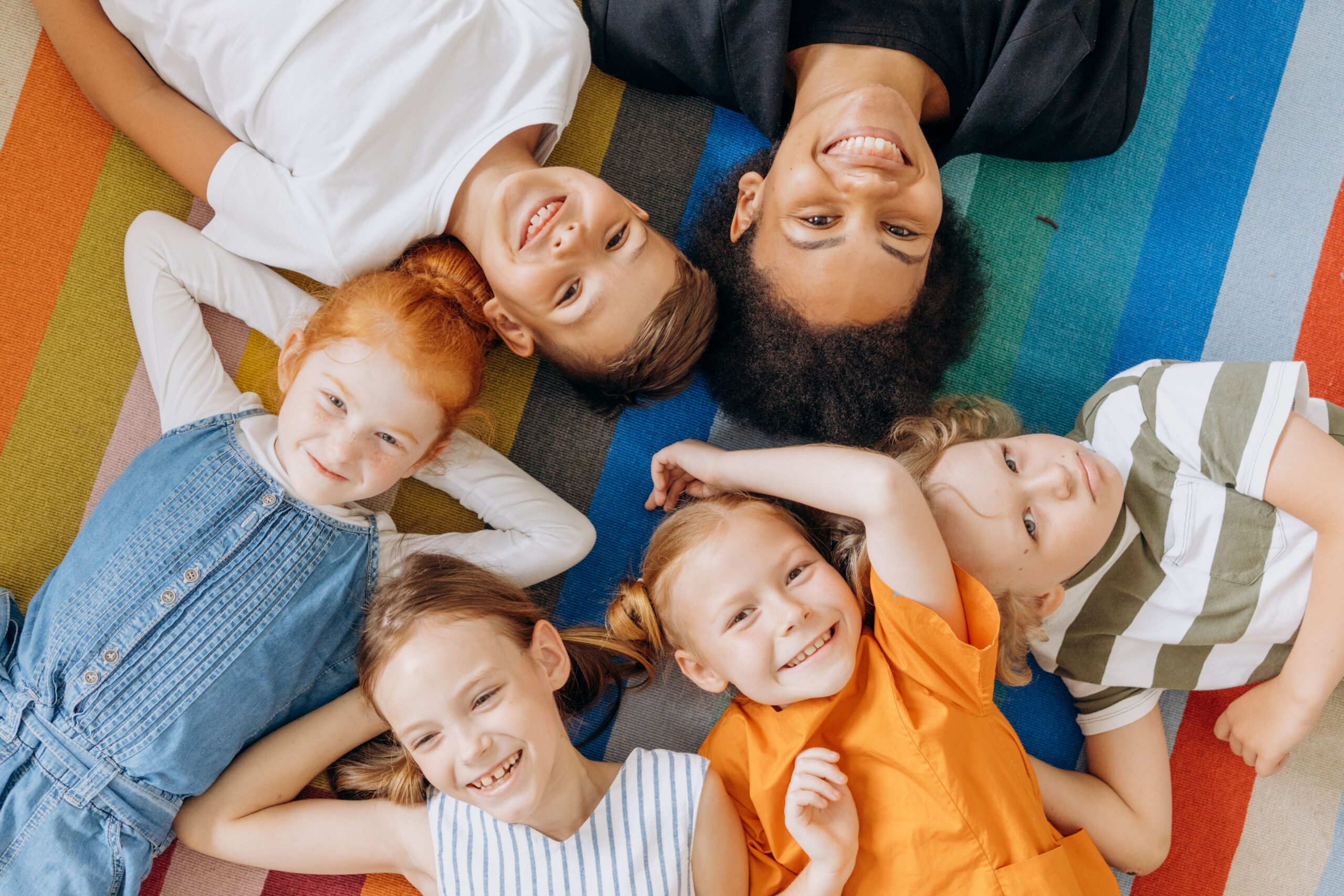

The terms “diversity education” and “diversity in education” are increasingly familiar. Yet it is not always easy to define what diversity education actually involves, or to understand why it has become such an important part of contemporary education.
As societies become increasingly interconnected, schools have an important role in preparing children to live, learn, and eventually work alongside people whose backgrounds and experiences may differ from their own. This article examines the meaning of diversity education, the social changes that have brought it greater attention, five important benefits for children, practical approaches at home and at school, and its relationship with international education.
Diversity education helps children understand that human differences are a natural part of society and learn to engage with those differences with respect. To understand the concept more clearly, it helps to distinguish diversity from the related idea of inclusive education.
Diversity refers to the many ways in which people differ, including race, nationality, gender, age, disability, sexual orientation, religion, values, and other aspects of identity and experience. The concept involves more than simply acknowledging that differences exist. It also recognizes the value of different perspectives and experiences, including their potential to contribute to creativity and new ways of thinking.
In international schools, students and educators from different national and cultural backgrounds share the same learning environment every day. Diversity is therefore not only a concept to be studied. It is experienced through everyday relationships, conversations, and learning – an ongoing experience of living with difference rather than simply learning about it.
Inclusive education is an approach that ensures children with different backgrounds and educational needs can learn together while receiving the support they need to develop their abilities. This includes differences related to disability, nationality, culture, language, family circumstances, gender identity, and other individual needs. Its broader purpose is to support participation, independence, and a society in which people with different needs and backgrounds can live and participate together.
The distinction between the two concepts is important. Diversity education develops an understanding that people differ in many ways and encourages children to respect those differences. Inclusive education focuses more directly on creating educational environments in which children with diverse needs can participate meaningfully and receive appropriate support. One concerns how diversity is understood and valued; the other concerns how educational environments are structured so that diversity can genuinely be accommodated. The two are distinct, but closely connected.
The purposes of diversity education can be broadly understood in three areas:
1. To develop the capacity to understand and respect people from different backgrounds
2. To recognize the value that diversity can bring to creativity and innovation
3. To reduce prejudice and discrimination and create school environments in which everyone can feel safe
These aims provide an important foundation for children who will grow up in increasingly diverse societies. An important part of diversity education is helping children become comfortable with differences between people, while developing the curiosity to understand them and the respect to value them. Early childhood is a particularly formative period for developing social understanding. Exposure to different people, perspectives, and ways of life during these years can help children come to see human difference as a natural part of the world around them, with implications for both later relationships and their understanding of themselves.

Changes in society and in educational environments have brought greater attention to the importance of education that respects diversity. Several developments help explain why this has become particularly relevant in Japan.
As society becomes more globalized, children from increasingly varied cultural and linguistic backgrounds are learning together in schools across Japan. School is an important setting in which children learn how to relate to others before entering adult society. Experience in communicating and collaborating with people whose cultures and values differ from their own can therefore have lasting significance for future relationships and working life.
Creating an environment that respects diversity extends beyond conventional “international understanding.” It helps establish the conditions in which children can learn to respect people who are different from themselves while also experiencing respect for their own backgrounds and individuality.
School non-attendance can arise from many different factors, including low motivation, anxiety or depressive feelings, and difficulties in peer relationships. No single cause can explain it. At the same time, expectations that children adapt to a particular way of learning or functioning within a group can place considerable pressure on some students. How schools respond to differences in children’s characteristics, backgrounds, and ways of learning is therefore an important consideration in discussions of diversity education.
Sustainable Development Goal 4 calls for “inclusive and equitable quality education” and the promotion of lifelong learning opportunities for all. The principle that every person should have access to quality education, regardless of individual background or characteristics, is closely connected to diversity education.
Education that respects diversity is increasingly recognized internationally not only as important to individual development, but also as a foundation for societies in which people from different backgrounds can participate and live together.
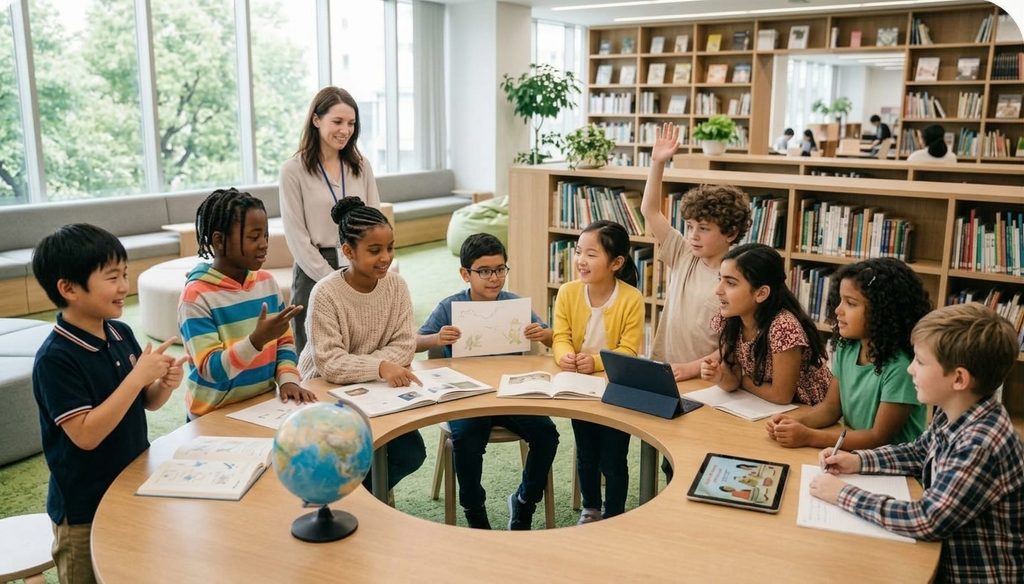
Learning alongside people with different backgrounds can influence several dimensions of a child’s development, including thinking, social relationships, and self-understanding. Here are five important benefits of diversity education.
Encountering different opinions and ways of thinking gives children opportunities to reconsider their own assumptions and examine an issue from more than one perspective. Through discussion, group work, and debate with peers from different cultural backgrounds, they also learn to articulate their reasoning, listen carefully to others, and refine their thinking through dialogue.
Critical thinking and the ability to consider multiple perspectives are increasingly important in a global society. These qualities also resonate with the International Baccalaureate (IB) Learner Profile, which includes being a “Thinker” and being “Open-minded.”
Regular interaction with friends and teachers from diverse backgrounds can deepen children’s awareness of experiences and perspectives beyond their own, encouraging them to understand how others may see and experience the world differently. Communicating across linguistic and cultural differences also encourages them to think carefully about how they express themselves and how they interpret what another person is trying to communicate.
Encountering different values, experiencing disagreement, and learning how to sustain relationships through dialogue are themselves important forms of learning. In an international school, daily interactions with classmates from different national and cultural backgrounds naturally foster greater understanding, empathy, and openness toward others.
In an environment where difference is understood as a normal part of life, children have opportunities to reflect not only on how others differ from them, but also on their own identities and backgrounds. Having one’s individuality respected can help a child develop a more positive understanding of personal characteristics and greater confidence in expressing them.
For children who find themselves in a minority position, a school environment that values diversity can also strengthen a sense of belonging – the feeling that “I am part of this community.” Feeling secure and accepted is an important foundation for active engagement in learning.
When people with different cultural backgrounds and values come together, a single question or problem is more likely to be approached from several perspectives. Exposure to viewpoints that may be less visible among people with similar experiences can open the way to new ideas and more creative approaches to problem-solving.
From an early age, experiences that show there is not always one correct answer can help children move beyond familiar assumptions and consider alternatives. This intellectual flexibility can become a foundation for creating new ideas and value later in life.
Encountering different values, perspectives, and environments can also give children opportunities to develop greater flexibility in responding to change. When circumstances do not unfold as expected, the ability to understand what is happening, consider alternatives, and remain engaged rather than immediately rejecting what is unfamiliar is related to both adaptability and resilience.
In a period characterized by uncertainty and rapid change, the capacity to engage constructively with new environments and unfamiliar ways of thinking is increasingly important. Diversity education can provide experiences through which this flexibility gradually develops.
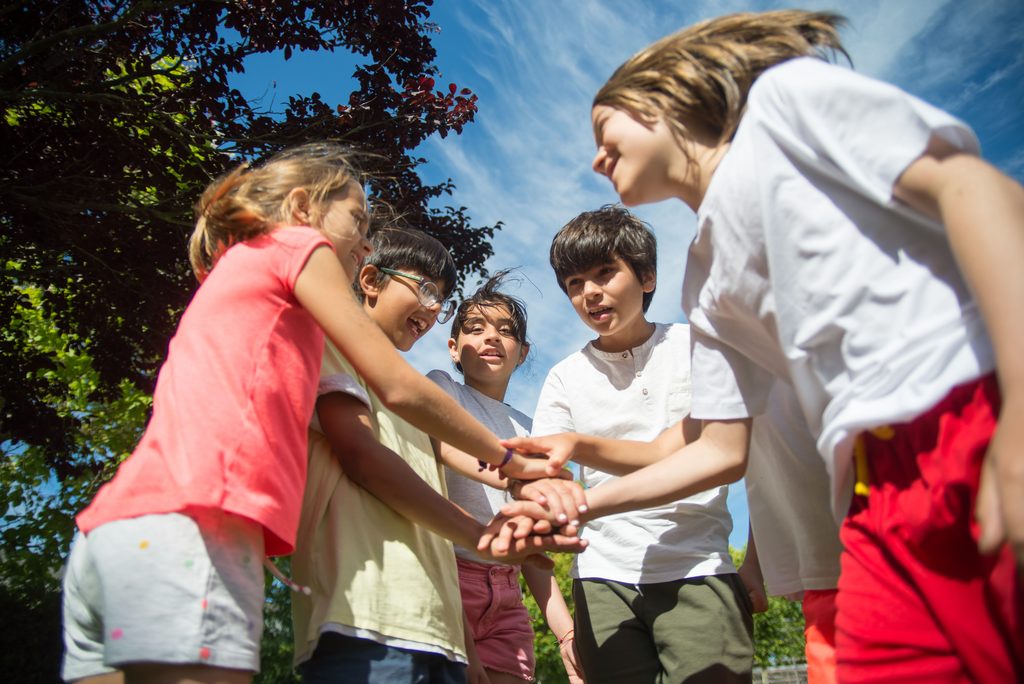
Diversity education is most meaningful when diversity is not taught only as an abstract concept, but experienced through everyday life and learning. Practical ways to support this process exist at home, in schools, and in international school environments.
Diversity education does not begin and end at school. Everyday experiences at home can provide an important foundation. Books and films can introduce children to different cultures, values, and ways of life. Families can discuss events taking place around the world, and children can benefit from natural opportunities to interact with people of different nationalities and cultural backgrounds.
The aim is not to present difference as a problem, but to turn it into a source of thoughtful curiosity: “Why might this be different?” or “What other ways of thinking are possible?” The way parents respond to people and perspectives different from their own also matters. Children learn about respect for diversity not only from what adults tell them, but from what they observe in everyday behaviour.
Approaches to diversity and inclusive education are gradually expanding in Japan. In Kanagawa Prefecture, designated schools promoting inclusive education have been developing opportunities for students with and without disabilities to learn together. Toyonaka City in Osaka Prefecture has also maintained a long-standing commitment to the principle of “learning and growing together,” emphasizing opportunities for children with and without disabilities to learn within their local school communities.
At the same time, significant practical challenges remain, including the specialist knowledge expected of teachers, the availability of appropriate support systems, physical accessibility, and collaboration with local communities. The central question is not simply whether inclusion is stated as a principle, but whether each child can participate meaningfully and learn in an environment where they feel secure.
In international schools, an environment where students and educators from different national and cultural backgrounds spend their days together can become a setting for learning about diversity. The experience is not confined to a particular lesson. Children encounter difference through conversation, friendship, collaboration, and the ordinary interactions of school life.
Within the IB Primary Years Programme (PYP), one of the six transdisciplinary themes is “Sharing the planet.” Inquiry into global issues and the relationships between people and the world around them creates opportunities for students to consider different positions and perspectives. International schools in which English and Japanese are used in daily school life and different cultural backgrounds are represented within the community can offer an environment in which diversity is understood not only as an educational principle, but through lived experience.

At Yoyogi International School, students and educators from a wide range of national and cultural backgrounds learn together. Within small classes, inquiry-based learning takes place in an environment that recognizes each child’s individuality and background. Everyday school life therefore provides continuing opportunities for students to understand and engage with diversity.
Japanese language education is also an important part of the curriculum. Even in an environment where English is the principal language of learning, the ability to think and express oneself in Japanese, and to understand one’s own linguistic and cultural background, remains important. Through engagement with more than one language and culture, students are encouraged to understand their own backgrounds while learning to respect differences in others. Families interested in how children learn and develop within a diverse educational environment are welcome to contact the school.
Diversity education is an educational approach that helps children develop the capacity to understand, respect, and live alongside people from different backgrounds. It is closely connected to international developments reflected in SDG 4 and UNESCO’s Salamanca Statement. In Japan, interest in more inclusive approaches to learning has also grown in response to globalization and a range of educational challenges, including school non-attendance.
Critical thinking, empathy, self-understanding, creativity, and resilience are not capacities developed through a single lesson or programme. They grow through repeated experiences of engaging with people who are different, participating in dialogue, and learning to navigate differences in perspective. International schools are one environment in which children can encounter this diversity as part of everyday life. What matters most, however, is not the label attached to a school or the appearance of internationalism, but whether the educational environment genuinely respects individual differences and enables children to learn, participate, and build relationships with a sense of security.
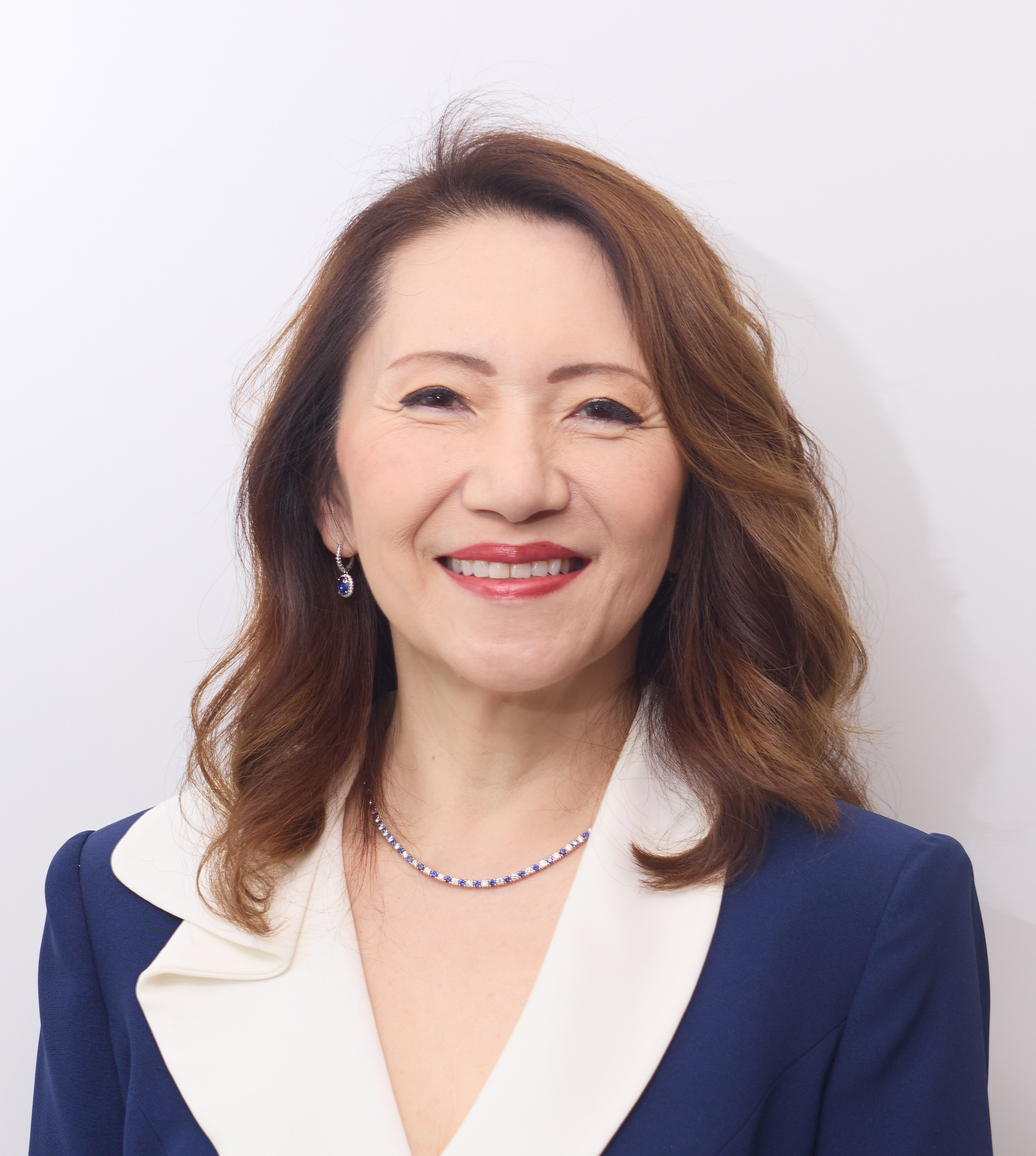
Yuko Muir
Doctor in International Psychology
Yoyogi International School | Founder and CEO
Founder and CEO of Yoyogi International School with over 27 years of experience in school leadership. Holds a Ph.D. in International Psychology and draws on extensive practical and academic background to explore key issues in education.