



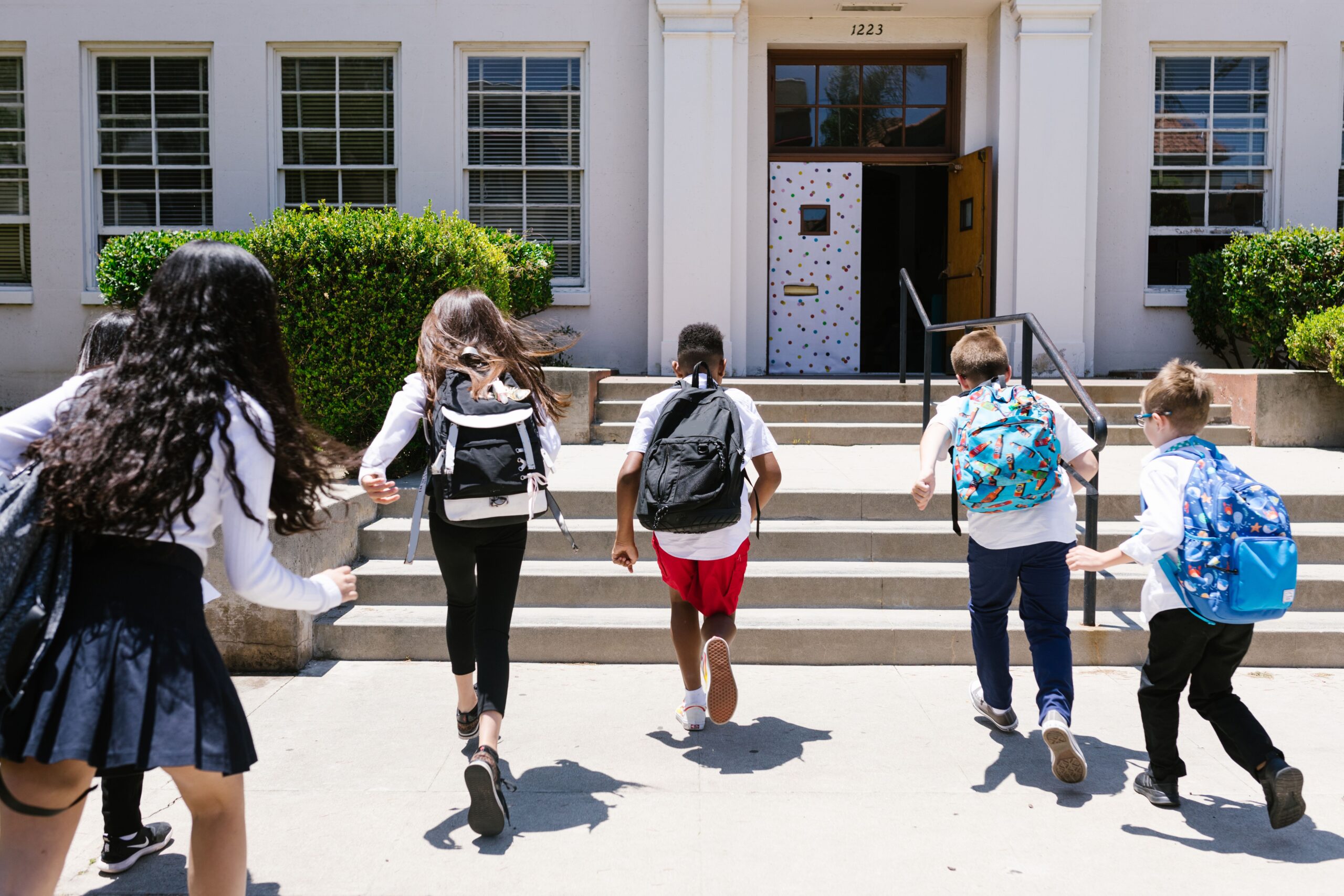

For children who have lived and attended school overseas, returning to Japan can be a significant transition. It often involves changes not only in their daily lives, but also in the language they use for learning and the educational environment itself. Many parents wonder how their children can maintain the English they developed abroad, or whether continuing at an international school in Japan might be the right choice.
Choosing a school after returning to Japan requires more than an assessment of English proficiency. It is important to consider the child’s previous language and learning environment, current abilities in both English and Japanese, and possible educational pathways for the future.
This article explains the key considerations for families returning to Japan. These include the definition of a returnee student (Kikoku-shijyo), admission to international schools, school selection, maintaining English while continuing to develop Japanese, and planning for future university study.
Who is considered a returnee student, and what educational options are available after returning to Japan? This section explains how returnee students are defined, the choices families may consider, and admission to international schools.
There is no single legal definition of a “returnee student” (Kikoku-shijyo) in Japan. In its School Basic Survey, the Ministry of Education, Culture, Sports, Science and Technology counts children of overseas workers and others who lived abroad continuously for at least one year and returned to Japan during the previous academic year as returnee students. More generally, the term is widely used for children who have lived abroad for a period of time, often because of a parent’s overseas assignment, and subsequently returned to Japan.
Eligibility for returnee admissions, however, is determined independently by each school. These requirements do not necessarily correspond to the Ministry’s statistical definition. Schools may set different requirements for the length of time spent overseas or the number of years since returning to Japan. Families should therefore review the most recent admissions guidelines of each school they are considering.
According to the Ministry of Education, Culture, Sports, Science and Technology’s 2024 School Basic Survey, 10,988 students returned to Japan between April 2024 and March 2025 and were enrolled in schools in Japan as of May 1, 2025. This represented a 9.8 percent increase from the previous year. Each year, many children complete a period of life overseas and return to Japan, where their families must choose a new educational environment.
The main options after returning to Japan include:
For children who have studied primarily in English overseas, an international school can provide greater continuity with their previous learning environment.
Families considering this option will need to understand the admissions requirements and selection process. These vary considerably from one international school to another.
Admission requirements and selection procedures differ among international schools. Some schools include overseas residence among their eligibility requirements. Others do not require applicants to have lived abroad and instead consider factors such as English proficiency and previous academic experience.
Being a returnee student does not necessarily provide an advantage in the admissions process. A school may take overseas education and English proficiency into account, while still using the same interviews, English assessments, writing tasks, or other selection procedures required of other applicants.
Some international schools also do not require applicants to have lived overseas. Children raised in Japan may be eligible to apply if they meet the school’s English-language and academic requirements. The assumption that international schools are open only to returnee students is therefore not accurate across all schools.
When considering a school, families should look beyond basic eligibility. A child’s previous educational experience, current proficiency in English and Japanese, and the school’s educational approach should all factor into the decision.
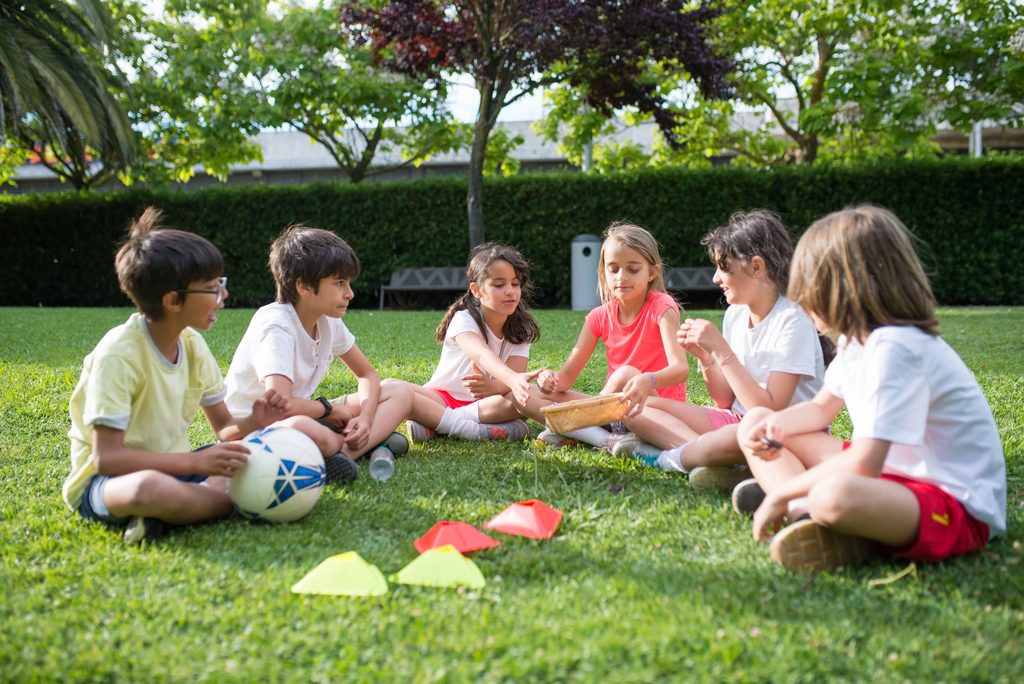
For families who wish their children to keep developing the English proficiency and learning habits acquired overseas, an international school can be one option. The potential benefits extend beyond the language environment to include adjustment after returning to Japan and future educational pathways.
When children who have studied in English overseas transfer to a Japanese school, the amount of English they use at school and in daily life may decrease considerably. If opportunities to read, write, and think in English become limited, maintaining English as a language for academic learning can become more difficult.
At an international school where English is the primary language of instruction, children continue to use English throughout the school day. This can help them maintain the proficiency they developed overseas while continuing to expand their academic use of the language.。
Some children who have lived abroad for an extended period find aspects of Japanese school culture and social relationships unfamiliar when they return. They may become more aware of differences between how they learned to communicate overseas and the expectations they encounter in Japan. For some, this transition also raises questions about identity and where they feel they belong.
In an international school, differences in cultural and linguistic backgrounds are part of everyday school life. Such an environment can help returnee students integrate their overseas experiences into their sense of self while adjusting to life in Japan. Every child experiences this transition differently. Language is therefore only one consideration when choosing a school. It is equally important to consider whether the environment helps a child feel secure, learn with confidence, and build positive relationships.
Some international schools offer internationally recognized curricula and qualifications, including the International Baccalaureate (IB) Diploma Programme and the British General Certificate of Education Advanced Level (GCE A Level). Depending on the student’s qualifications and individual university requirements, these pathways can support applications to overseas universities, as well as returnee admissions and English-taught degree programs in Japan.
For students returning during middle or high school, it is especially important to understand how a school’s curriculum and graduation credentials relate to future university admission.
Families do not necessarily need to decide immediately between a university in Japan and one overseas. However, considering possible future pathways when selecting a school can help preserve a wider range of options.

Choosing a school should not assume that a returnee student belongs in an international school. It is important to understand the language environment in which the child has previously learned. A child’s abilities in English and Japanese may also vary across conversation, reading, writing, and academic learning. The most appropriate learning environment should therefore be considered in light of both the child’s current language profile and possible future educational pathways.
When choosing a school after returning to Japan, it is useful to consider how and where the child uses English and Japanese. A child may speak Japanese comfortably in everyday conversation but find it easier to read, write, or study subjects such as science and social studies in English. The reverse may also be true.
To consider school options, it can help to distinguish broadly between children who are more comfortable learning in English and those who are more comfortable learning in Japanese. These are not fixed categories. Language abilities can change with age, educational experience, and the languages used at home.
The aim is not to place a child into one category or the other. What matters is understanding which language currently allows the child to learn, think, and express ideas most comfortably and effectively.
Children who have used English as their primary language of learning have several options. These include international schools as well as schools within the Japanese education system that teach major subjects in English.
An international school may offer greater continuity with a child’s previous educational environment. Alternatively, a school recognized under Article 1 of Japan’s School Education Act may provide substantial instruction in English while allowing students to earn a qualification within the Japanese school system.
The appropriate choice depends on more than English proficiency. Japanese ability, previous curricula, and possible university destinations should also be considered. Families considering an international school should confirm its legal status, accreditation, and how its qualifications may affect university eligibility before enrolling.
For returnee students who are more comfortable learning in Japanese, schools that let them continue academic study in Japanese while building the English they acquired overseas can be a strong option.
Some private and national or public schools with established returnee programs offer English classes at different proficiency levels or opportunities for more advanced English study.
These environments can allow children to continue learning academic subjects in Japanese while maintaining and developing their English. They may also support a range of pathways within Japan, including general admissions, school recommendation-based admissions, and admissions specifically for returnee students.
The objective of school selection is not simply to secure a place at an international school. The more important consideration is finding an environment in which children can build on their existing language abilities, continue learning successfully, and prepare for the next stage of their education.。

Returnee students attending international schools who plan to apply to junior high schools in Japan should check returnee admission requirements well in advance. Criteria and individual school requirements can change. Families should therefore consider other admissions routes alongside returnee admissions.
Since the 2024 academic year, some private junior high schools in Tokyo have applied eligibility requirements based on an agreement of the Tokyo Private Junior High School and High School Association. These generally require at least one year of overseas residence and no more than three years since returning to Japan.
As a result, a student attending an international school in Japan may not qualify for returnee admissions if the student has not actually lived overseas. A child who previously lived abroad may also become ineligible once a certain period has passed since returning to Japan.
Specific eligibility requirements and required documentation vary by school.
Admissions requirements may change from year to year. Families should always consult the latest official admissions guidelines published by each school.
Even when a student does not meet the requirements for returnee admissions, some schools offer other routes that recognize English proficiency or international educational experience.
These may include English-language entrance examinations, in which English is available as an examination subject during the general admissions period. Some schools also offer international or global admissions that consider English proficiency, overseas experience, and multicultural educational backgrounds.
Terminology and selection processes vary by school. Requirements may include English-language qualifications, interviews, essays, Japanese, mathematics, or a combination of these.
Families should therefore look beyond returnee admissions alone. Other admissions routes may provide a better way for a child to demonstrate individual strengths.

After returning to Japan, opportunities to use English in everyday life can decrease substantially. Maintaining and further developing the English acquired overseas requires continued opportunities to read, write, listen, and speak in English, both at school and at home.
While living overseas, children encounter English in many parts of daily life. They use it not only at school, but also in conversations with friends, books, media, and play. After returning to Japan, this exposure may decrease significantly. Vocabulary and expressions used less frequently can gradually become harder to recall.
The English required for everyday conversation also differs from the language needed to read complex texts, organize ideas, understand academic content, and express those ideas clearly. A child may remain comfortable speaking English while finding it harder to develop the vocabulary and language needed for academic learning if reading, writing, and studying in English are no longer part of daily life.
Maintaining English after returning to Japan therefore involves more than creating opportunities to speak it. Children also benefit from continuing to read age-appropriate books, write in English, and use the language as a medium for learning and thinking.
At an international school where English is the primary language of instruction, students use English consistently through lessons and communication with teachers and classmates. Reproducing the same level of sustained English use at home can be difficult. For children who previously studied in English overseas, an international school can therefore provide continuity in using English as a language for learning.
Inquiry-based learning, including approaches used in the International Baccalaureate Primary Years Programme and Middle Years Programme, involves asking questions, examining information, developing ideas, discussing different perspectives, and presenting conclusions. When these processes take place in English, children continue to use the language not simply for conversation, but also for thinking and learning.
At home, families can complement this environment by encouraging children to read English books suited to their age and interests, or to engage with films, news, and other English-language media. The aim is to make English an ongoing and natural part of the child’s life.
Maintaining English after returning to Japan is important. At the same time, continued development of Japanese is equally significant, particularly for children who may pursue further education or careers in Japan.
Conversational fluency alone does not necessarily provide the Japanese needed at higher grade levels. As children progress through school, they encounter increasingly sophisticated reading, writing, kanji, and subject-specific vocabulary.
Rather than treating English and Japanese as competing priorities, both languages can be developed in ways that reflect the child’s current language environment and future educational needs. Families can support Japanese through reading and regular conversation at home. When considering an international school, they should also examine how Japanese-language education is incorporated into the curriculum.。

At Yoyogi International School, inquiry-based learning is integrated into everyday teaching. For returnee students who have experienced similar approaches overseas, this can provide continuity with their previous education. Small class sizes also allow teachers to respond closely to individual needs as students adjust to changes in language and school environment after returning to Japan.
Japanese is also part of the curriculum. Students can therefore continue developing Japanese while learning primarily in English. When selecting a school after returning to Japan, families should consider more than the English-language environment. Japanese-language education, approaches to learning, and future educational pathways are also important in determining which environment will best suit the needs of the individual child.
Choosing a school for a returnee student should not begin with the assumption that an international school is automatically the right choice. A more considered decision takes into account the language in which the child has previously learned, how English and Japanese are currently used, and the educational pathways the family may wish to keep open for the future.
For children who have studied primarily in English, an international school may provide continuity with their previous education. For those who are more comfortable learning in Japanese, a school that provides academic instruction in Japanese while allowing them to maintain and develop their English may be more appropriate.
Maintaining English after returning to Japan requires more than conversational practice. Continued reading, writing, and academic learning in English all play an important role. At the same time, Japanese should continue to develop. A well-considered educational environment supports both the child’s current needs and the range of choices that may become important in the future.

Kaname Kawamoto
Yoyogi International School | Business Division & Admissions Manager
Drawing from experience sending children to an international school abroad, deepened understanding of progressive education, such as the IB program, and earned an Elementary School Teaching License. Brings this passion and expertise to the current role.