



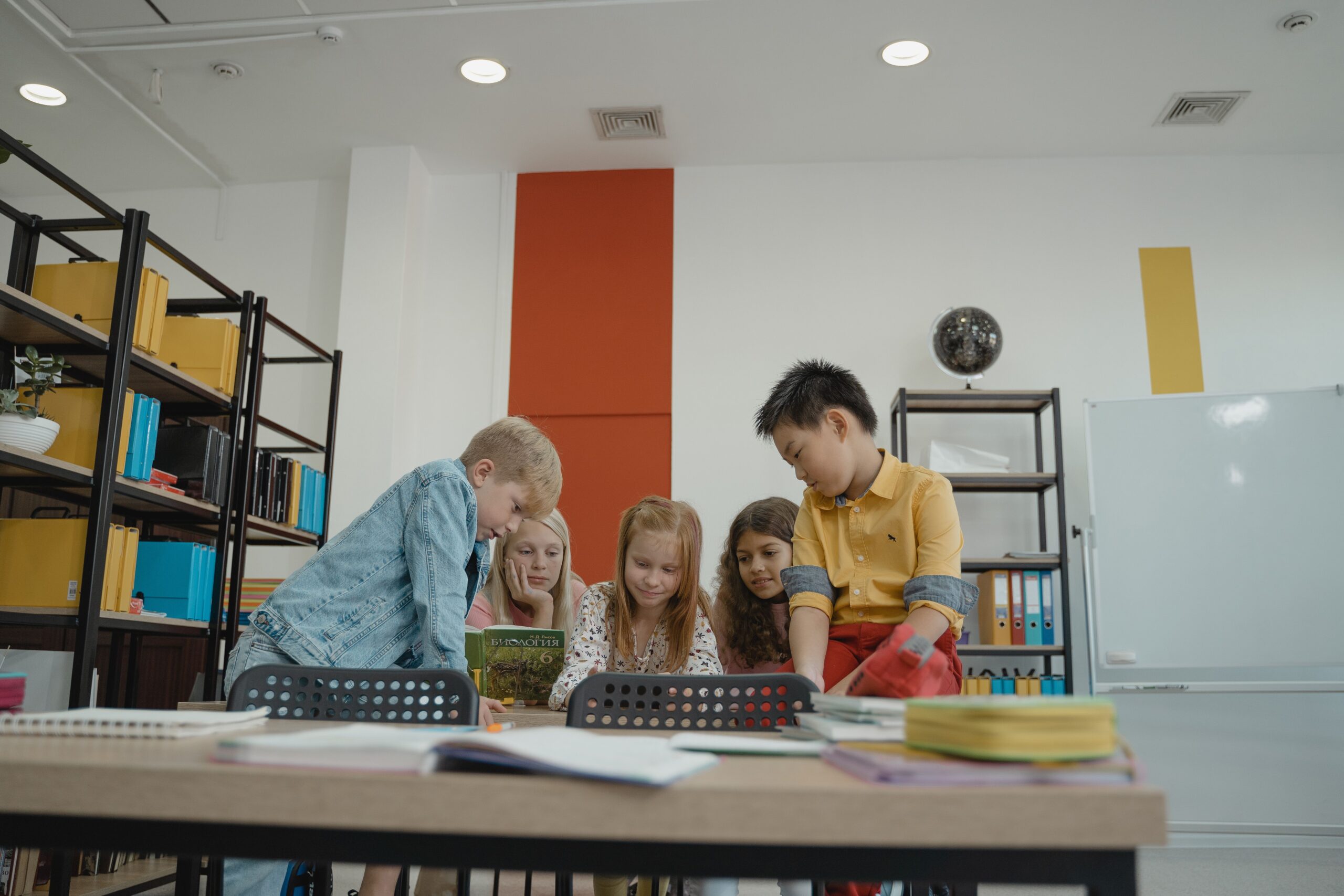

The term “active learning” has become increasingly familiar in education and in information for parents. Yet many families still have questions. What does active learning actually involve? How does it differ from conventional classroom instruction? What abilities can children develop through this approach?
This article explains the definition of active learning and the reasons it has gained prominence in Japanese education. It also examines six key characteristics identified by Japan’s Ministry of Education, Culture, Sports, Science and Technology (MEXT), along with five widely used approaches. Finally, it considers the skills active learning can foster and its relationship with international schools and International Baccalaureate (IB) education.
Active learning is an approach in which students engage directly in the learning process rather than passively receive knowledge. They think independently, exchange ideas with others, and apply what they have learned to deepen their understanding. This section explains the fundamental principles of active learning. It also considers MEXT’s definition, its relationship with “proactive, interactive, and authentic learning,” and the distinctions between active learning, inquiry-based learning, and project-based learning (PBL).
Active learning moves beyond lessons in which students simply listen to a teacher’s explanation. Students take an active role by thinking, discussing, researching, presenting, and engaging with the learning process.
MEXT has used the term “active learning” to describe teaching and learning approaches that encourage students to participate actively in their own learning.
These approaches can include group discussions, debates, collaborative work, presentations, and project-based learning (PBL). Through such experiences, students develop more than knowledge and skills. They learn to think independently, examine information, exchange ideas, and communicate their understanding.
The activity itself, however, is not the central purpose. What matters is whether students think, make judgments, and apply their knowledge. Active learning can also invite students to explore questions without a single predetermined answer and to consider different ways of approaching a problem.
The curriculum guidelines announced in 2017 placed greater emphasis on “proactive, interactive, and authentic learning” rather than on the term “active learning” itself. The two concepts are not identical. They are, however, closely related in their emphasis on student engagement, dialogue, and deeper thinking.
“Proactive learning” involves developing an interest in learning and approaching it with purpose and persistence. “Interactive learning” deepens and broadens thinking through dialogue and collaboration with others. “Authentic learning” connects knowledge and ways of thinking across subject areas so that students can deepen their understanding and apply it to identifying and solving problems.
Together, these principles reflect an important direction in contemporary Japanese education.
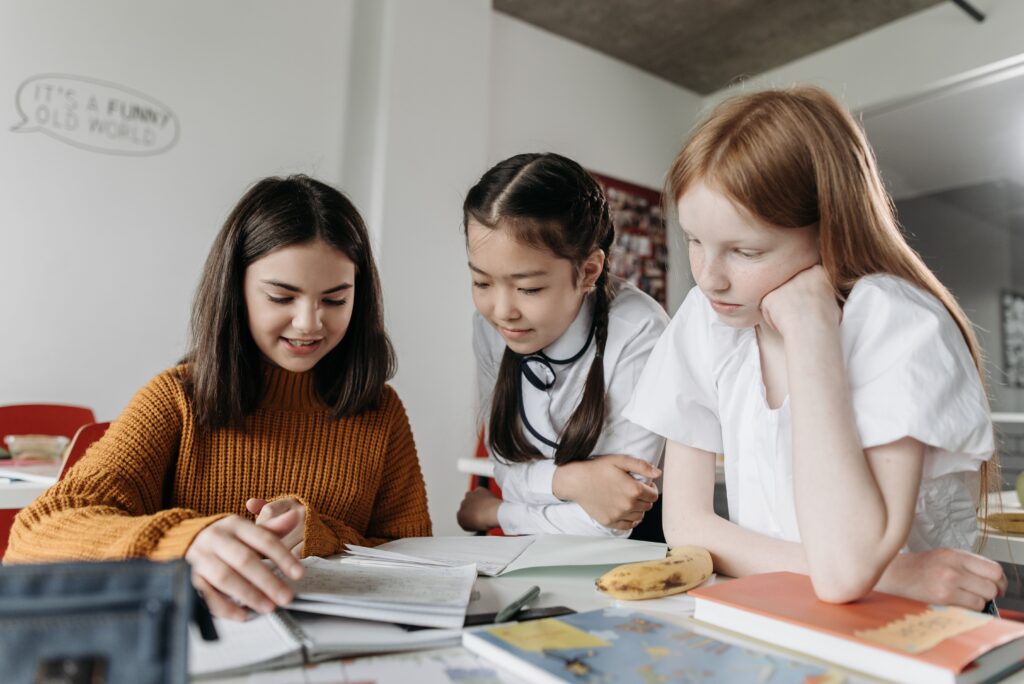
AI and globalisation are rapidly reshaping society. Knowledge remains essential, but students also need to identify problems, think independently, and work with others to find solutions.
This section considers why active learning has received increasing attention and how it has developed within Japanese education.
Social and economic structures are changing, while AI and digital technologies continue to advance rapidly. As a result, people increasingly face problems that existing knowledge alone cannot address.
Knowing the “right answer” is no longer sufficient in every situation. Students also need to identify problems, find relevant information, consider different perspectives, and explore solutions in collaboration with others.
Active learning brings these processes into education. It connects knowledge acquisition with opportunities to use that knowledge through thought, dialogue, and collaboration. From an early age, children can benefit from opportunities to ask questions, test ideas, think independently, and exchange perspectives with others. These experiences can provide an important foundation for later learning.
MEXT has increasingly emphasized education that develops thinking, judgment, and expression alongside the acquisition of knowledge and skills.
The revised national curriculum guidelines were implemented in stages. They took effect in elementary schools in 2020, junior high schools in 2021, and high schools in 2022.
At the high school level, the former “Period for Integrated Studies” became the “Period for Inquiry-Based Cross-Disciplinary Study.” Students are encouraged to identify their own questions and problems, gather and analyse information, develop their ideas, and communicate what they have learned.
University admissions have also become more diverse. Comprehensive selection processes evaluate applicants from multiple perspectives. These may include academic and extracurricular experiences, reasons for applying, and evidence of thinking and communication skills that cannot always be captured through conventional written examinations alone.
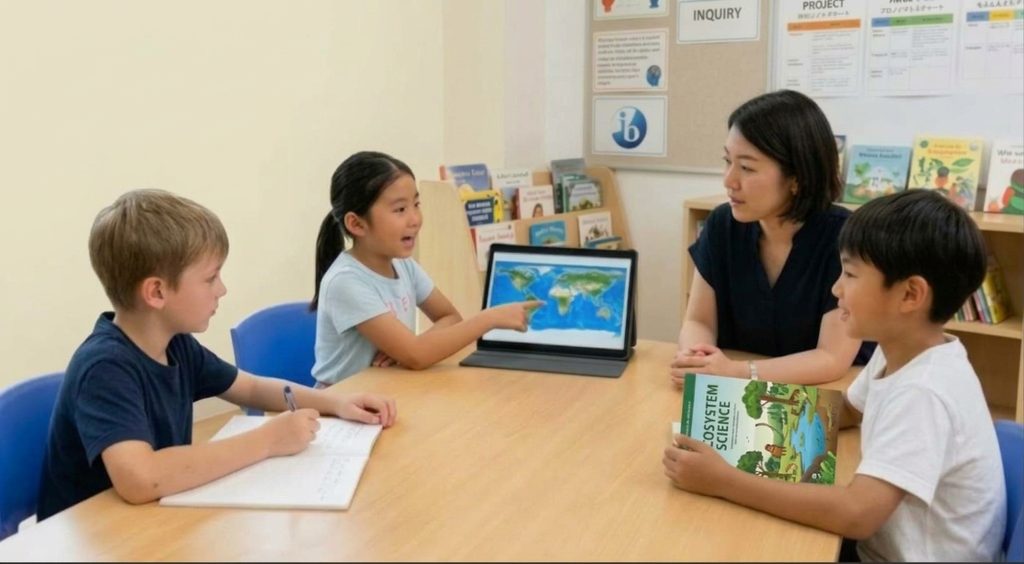
MEXT has identified the following six characteristics of active learning.
(Reference: Ministry of Education, Culture, Sports, Science and Technology, Supplementary Material (5), Issues Identified by the Special Committee on Curriculum Planning, August 26, 2015.)
These characteristics share one central principle: students participate actively in the learning process.
Group work or discussion alone does not necessarily make a lesson an example of active learning. Students need to think for themselves, apply their knowledge, and deepen their understanding through meaningful engagement with others.
The essential question is not what activity students are doing, but how actively and thoughtfully they are learning.
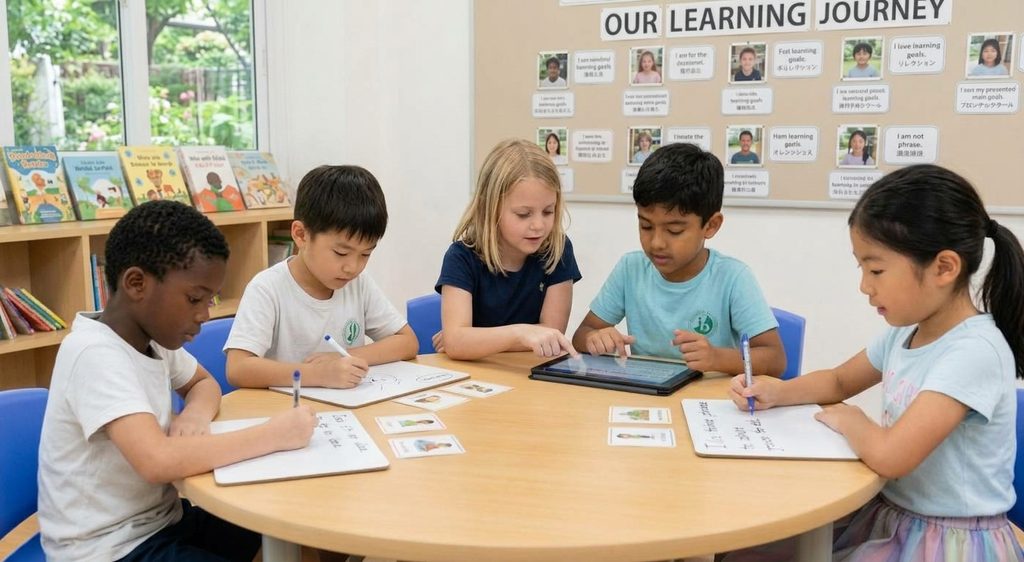
Active learning can take many forms depending on the purpose of a lesson and the age of the students. Five widely used approaches are Round Robin, Think-Pair-Share, group discussion, the Jigsaw method, and PBL.
Round Robin is a simple technique in which participants take turns sharing an idea or response.
Each group member has an opportunity to contribute. This structure can help bring a wider range of perspectives into the discussion. It is also relatively easy to incorporate into a lesson and can effectively introduce active learning.
Think-Pair-Share follows three stages: students think independently, discuss their ideas with a partner, and then share with the wider group.
The first stage gives each student time to formulate an individual response. Pair discussion then provides an opportunity to test and develop that thinking before speaking to a larger audience.
This gradual structure can make participation more accessible to students who may be less comfortable speaking immediately in front of a large group.
In a group discussion, students exchange ideas about a particular topic, question, or problem. They listen to different perspectives, compare them with their own, and explain their reasoning.
This process can deepen understanding and develop critical thinking. In culturally and linguistically diverse classrooms, students may also encounter perspectives shaped by experiences different from their own.
The Jigsaw method divides learning material among students. Each student first develops expertise in one area through an “expert group.” Students then return to their original “home group” and teach one another what they have learned.
Each student has a meaningful role in the learning process. The method encourages participation and helps students construct a broader understanding by combining the knowledge of individual group members.
PBL involves sustained work on a particular theme, question, or problem. Students may move through several stages, including research, planning, collaboration, creation, implementation, presentation, and reflection. This approach can support the development of independence, creativity, and problem-solving skills.
Inquiry and project-based experiences also play an important role in IB education. In the PYP (Primary Years Programme), for example, Units of Inquiry (UOIs) encourage students to explore questions, investigate ideas, exchange perspectives, and develop understanding through inquiry.。
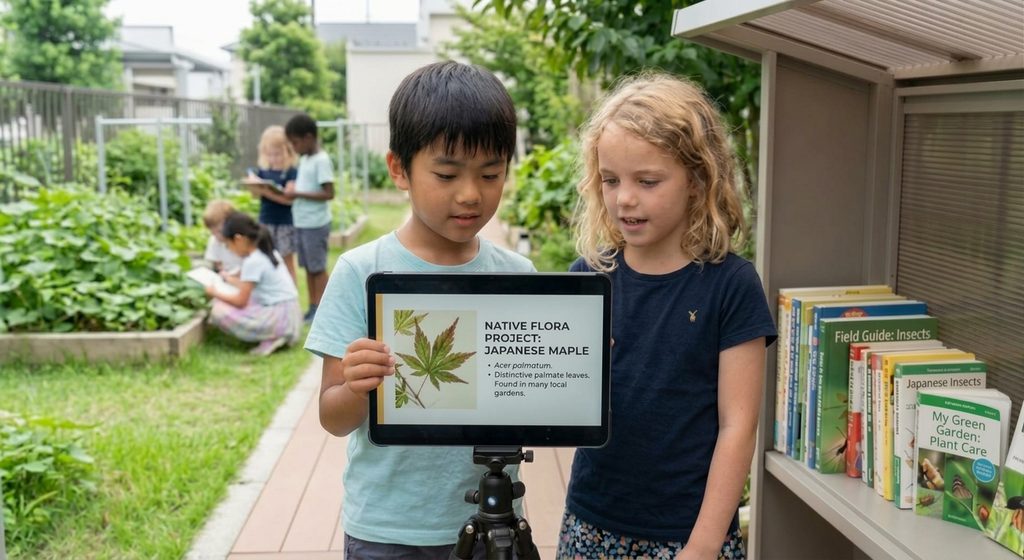
Active learning does more than encourage participation in lessons. It gives students opportunities to use knowledge, think independently, collaborate with others, and communicate their ideas. These experiences can support the development of thinking, judgment, communication, collaboration, and motivation to learn.
Active learning asks students to do more than receive information. They compare, analyse, connect, and evaluate information as they develop their own understanding.
Questions without a single predetermined answer require students to consider evidence and make reasoned judgments. These experiences can strengthen critical thinking. Students must also organise their thoughts and explain them in ways that others can understand. This process helps develop their ability to communicate ideas clearly and logically.
Pair and group activities require students to listen to different opinions and work with others toward a shared goal.
Through these experiences, students learn not only to express their own ideas but also to understand other perspectives and communicate effectively within a group.
International schools can provide frequent opportunities for this type of interaction. Students from different national, linguistic, and cultural backgrounds learn together and encounter a variety of perspectives in everyday classroom life.
Active learning gives students opportunities to contribute their own questions and ideas to the learning process. They can express a view, receive feedback, and reconsider or develop their thinking. This process can strengthen students’ sense of ownership over their learning.
Opportunities to make choices, experiment, and learn through trial and error can also help students develop a sense of agency. These experiences may build confidence as learners and support intrinsic motivation.
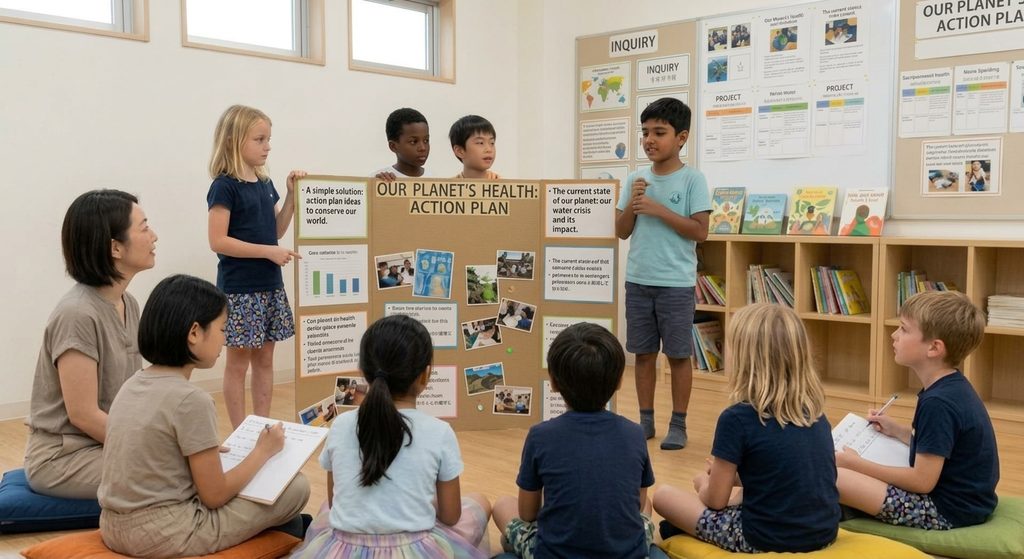
Active learning is an important educational approach in many international schools. IB education, in particular, places strong emphasis on inquiry. A culturally diverse learning environment can also create valuable opportunities for active and collaborative learning.
The International Baccalaureate (IB) Primary Years Programme (PYP) places inquiry at the centre of learning.
Through Units of Inquiry (UOIs), students ask questions, investigate ideas, think critically, engage in dialogue, and communicate their developing understanding. Many elements associated with active learning are therefore embedded throughout the curriculum rather than confined to individual classroom activities.
The teacher’s role also extends beyond transmitting knowledge. Teachers encourage questions and thinking, provide appropriate support, and create conditions for students to pursue meaningful inquiry. In this respect, inquiry-based learning in the IB PYP strongly aligns with active learning. Both approaches value student agency, dialogue, thinking, and reflection.
Different ideas and perspectives can challenge students to examine their own assumptions and deepen their thinking.
International schools often bring together students from a wide range of national and cultural backgrounds. Group discussions and project-based learning can therefore expose students to views shaped by experiences and values different from their own.
Students learn to explain their thinking, understand alternative perspectives, and sometimes revise their own ideas. They also learn to work with others toward shared goals. These experiences can help develop the ability to collaborate within diverse communities.
Active learning is an approach in which students participate actively in the learning process. They think independently, engage in dialogue, apply their knowledge, and deepen their understanding through meaningful learning experiences.
Its methods vary widely. They include group discussion, Think-Pair-Share, the Jigsaw method, and PBL. However, the specific format is not the defining feature. What matters is whether students think, make judgments, communicate their ideas, and develop their understanding through engagement with others.
Inquiry-based learning in IB education shares many of these principles. At Yoyogi International School, the IB PYP framework and a culturally diverse learning environment provide students with regular opportunities to ask questions, think critically, exchange perspectives, and extend their learning through inquiry.

Yasuo Eguchi
MBA, Master of Computer Science
Yoyogi International School | General Manager of Technology and SEO Strategy
Head of Technology, experienced in digital transformation, web development, and content strategy. Writes about international schools and education.